Skip to content
MPIA MPIA Co., Ltd.

ENERGY HARVESTING · SELF-POWERED WIRELESS SENSORS

No batteries, no wiring —
wireless safety solutions

The force of a press, an opening or a rise in temperature generates the electricity they need to send a signal.

MPIA Co., Ltd., a specialist in energy-harvesting self-powered sensors.

  • IECExExplosion-proof
  • FCC 6US certifications
  • KC 12KC registrations
  • 13Self-powered patents
LIVE DEMO
  • 13

    Self-powered patents

    11 in Korea · 2 overseas (Japan · US) + 3 PCT

  • 100,000

    Operation cycles tested

    RF signal verified on every press

  • IP57

    Dust · water protection

    8-hour dust · 30-minute immersion tests

  • 1km

    Wireless range

    Sensor approx. 100 m + repeater extension (open field)

  • 999

    Sensors registered

    per Signal Monitor

  • 2004

    Founded

    HQ · factory at Bucheon Techno Park

01IN THE FIELD

In substations, inside switchboards, in hospitals and schools

Photos of MPIA self-powered sensors installed and applied on site. Click a photo to enlarge it.

Field installations12

Full installation on one GIS substation bay
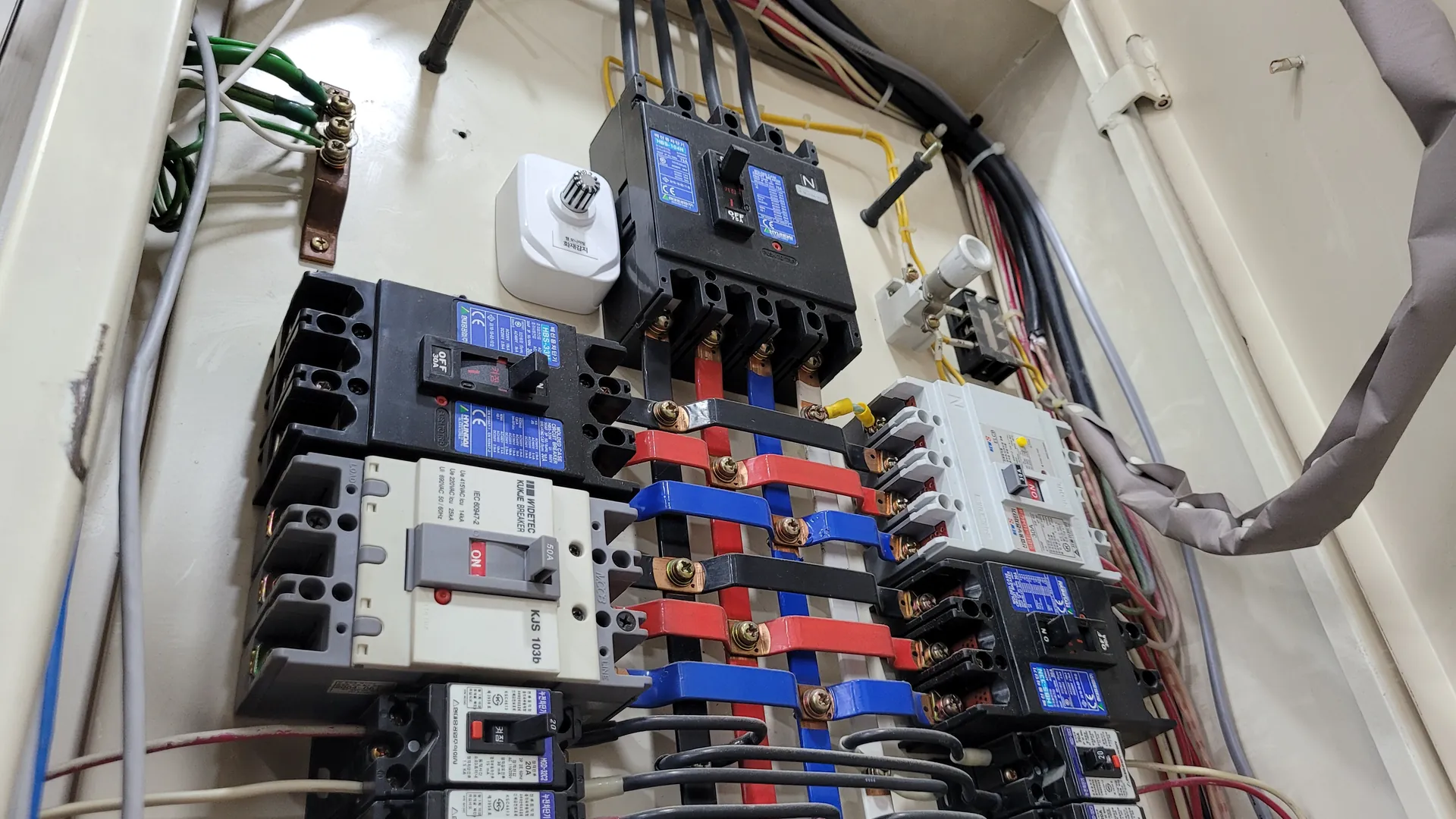
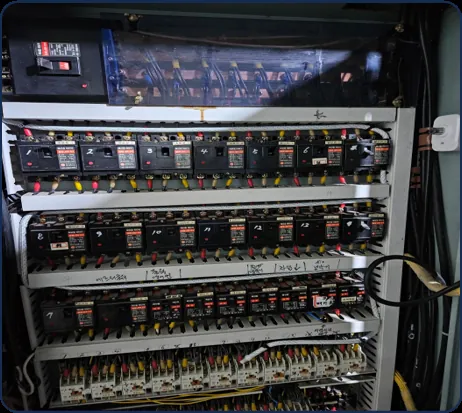
Fire detection sensor inside a distribution board
Emergency bell in a Myongji Hospital operating room
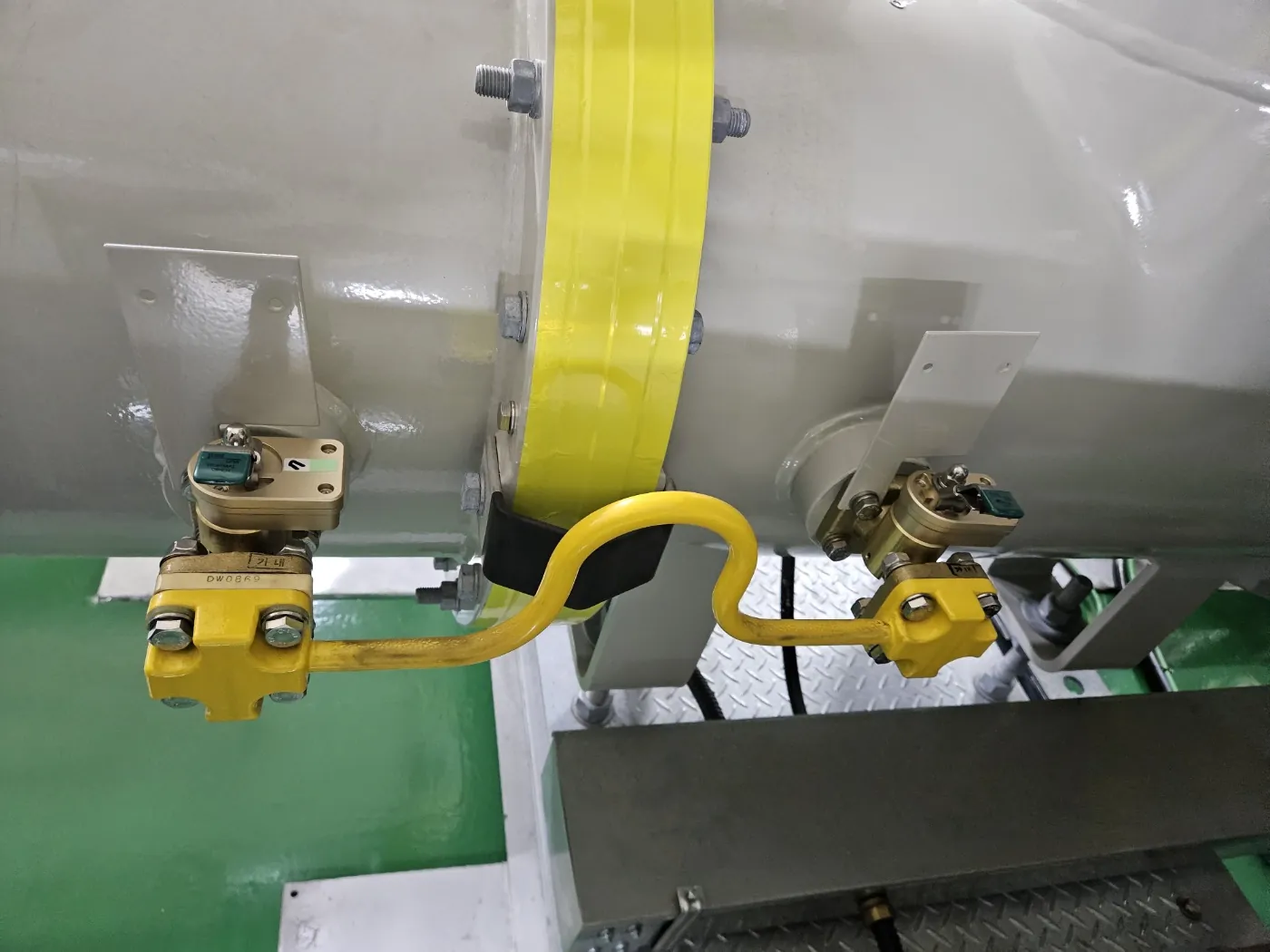
GIS gas valve detection sensors
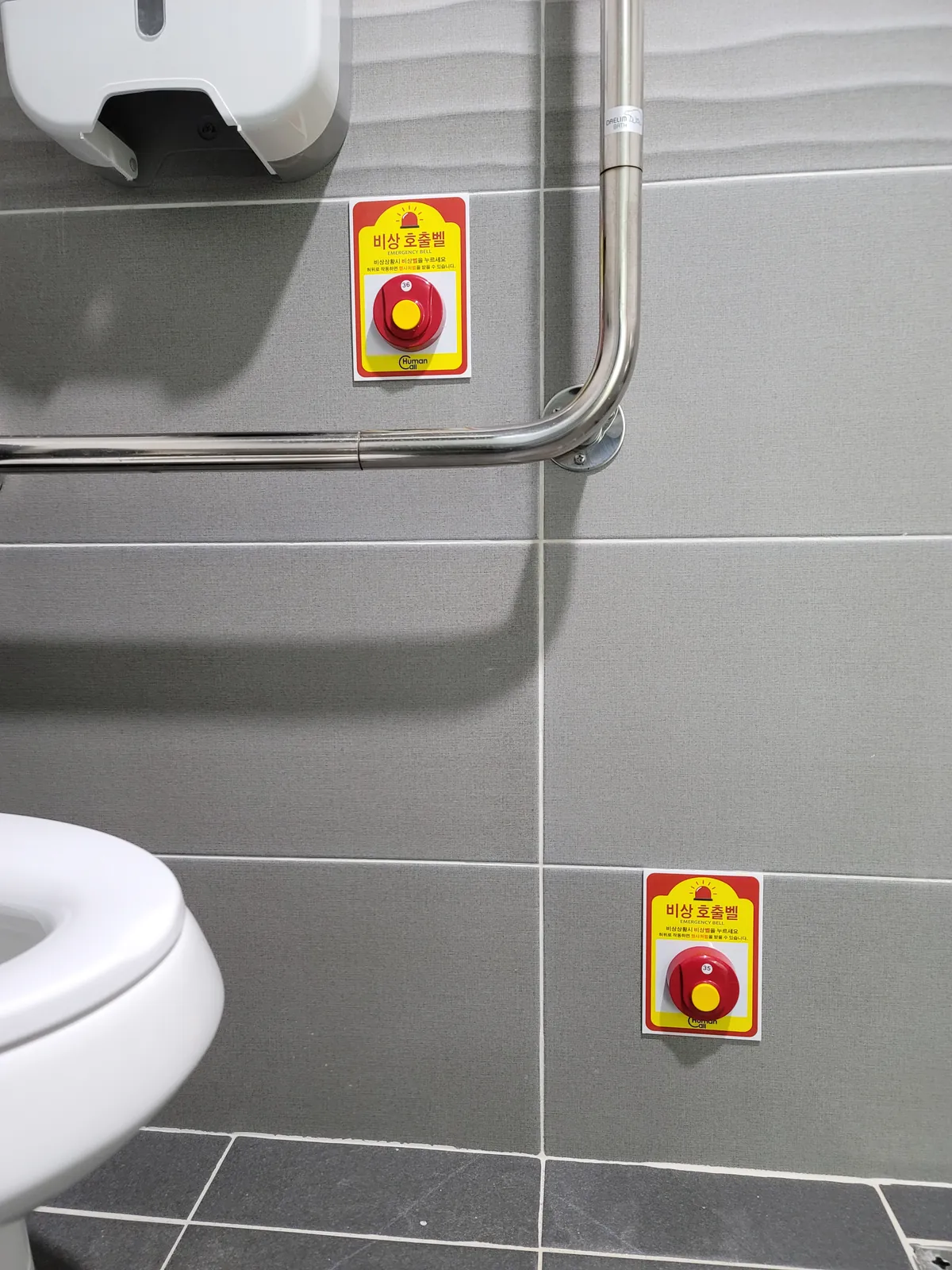
Emergency bells in a school restroom
Fire detection sensor on a large distribution board
Myongji Hospital — operating room emergency call system
GIS gas valve detection sensor
School receiver number display · beacon light
Fire detection sensor in an outdoor cable tray
Relay in a Myongji Hospital corridor
Wireless switch at a Hyundai E&C Hillstate apartment in Wirye

02WHY SELF-POWERED

Still putting batteries in your sensors and connecting wiring?

Sensors are where safety, automation and unmanned operation begin, yet the way they are powered has always stood in the way of installation and maintenance.

Conventional sensors (batteries · wiring)

  • Battery replacement · discharge risk

    Batteries must be replaced periodically, and once they run down, no signal comes through.

  • Wiring · wall construction costs

    Running cables means drilling through walls and construction work.

  • Limited installation locations

    They are hard to install in tight spaces with no power access or outdoors.

  • Spent batteries

    Every replacement produces spent batteries.

MPIA self-powered sensors

  • No Battery

    No batteries, so no worries about replacement or discharge.

  • No Power Input

    Attached and installed without changing existing facilities or equipment.

  • Shorter installation time

    With no wiring work, installation time and labor are greatly reduced.

  • Semi-permanent use

    100,000-cycle operation test · IP57 for long service life.

Risks of having no sensors

  • 01No GIS valve monitoring at substations → power outages
  • 02Fires in underground utility tunnels where sensors are hard to install → outages in surrounding areas
  • 03No valve management → waste oil leaks · environmental pollution
  • 04Unchecked fire risk in extra-high-voltage switchgear → major fires

03HOW IT WORKS

Motion becomes electricity, and electricity becomes a signal

When a magnet moves rapidly past a coil, the change in magnetic flux produces an electromotive force (Faraday's law of electromagnetic induction). MPIA has packed this principle into a compact generator module.

  1. STEP 1

    Press · open · temperature rise

    Kinetic energy: a person presses, a door or valve moves, or rising temperature deforms the SMA

  2. STEP 2

    Self-powered generation

    Electricity is generated by electromagnetic induction — up to 14 W from a force of 10 N

  3. STEP 3

    Wireless transmission

    The signal is sent 3 times via 10 mW low-power communication, over 100 m in open field

04SAFETY PLATFORMS

Find solutions by on-site problem

The same sensor solves different problems depending on where and how it is connected. MPIA organizes its proposals into 10 platforms.

05PRODUCT LINE-UP

Self-powered sensors and receiving · monitoring devices

Sensors, switches and emergency bells generate their own power, while receivers, Signal Monitors and Sensor Hubs turn their signals into screen displays, beacon lights, PC records and text messages.

06FIELD PROOF

Already at work in the field

At substations, unmanned subway substations, logistics centers, schools and hospitals, self-powered sensors are sending real signals.

KEPCO (Korea Electric Power Corporation) GIS substations — valve open/close monitoring expanded in 3 phasesGIS Substation Power Safety Platform

KEPCO (Korea Electric Power Corporation) GIS substations — valve open/close monitoring expanded in 3 phases

  1. 2021.10Busan · Ulsan Headquarters

    GIS gas valve open/close detection · LED panel display

  2. 2024.09Daegu Headquarters, 1 BAY

    On-site LCD monitoring + SCADA integration via RS-485 relay contacts

  3. 2026.06Installation completed on all 154 kV sections, Daegu Headquarters

    GIS valves 300 · PNL doors 100 · PNL temperature 100, IEC 61850 dedicated monitoring panel

Operating a gas valve on an energized GIS by mistake can break down insulation and lead to a wide-area blackout. Simply attaching a sensor unit to the existing valve shows its open/closed status in real time.

Learn more

07SYSTEM INTEGRATION

Will it connect with the systems on your site?

We connect in four ways, from a simple number display to PC monitoring, mobile text messages and PLC · SCADA control.

The Signal Monitor displays the sensor number and, via RS485, records sensor status (open/closed) and detection history in the PC program. Up to 10 overlapping signals are stored.

Self-powered sensorsEmergency bell · fire · valve · door
RepeaterRepeaterMWSR2-900 · Optional
Signal MonitorSignal MonitorMWSM-700
PC monitoringSensor location · detection history

08CERTIFICATIONS

Technology verified by certifications and patents

From international explosion-proof (IECEx), US FCC, Japan MIC and Korean KC certification to Innovative Product designation, our products meet the standards of the places they are used.

  • IECEx international explosion-proof
  • FCC (6 products)
  • Innovative Product designation (6 products)
  • KC Conformity Registration (12)
  • KC Electrical Safety
  • CE
  • PSE
  • Japan MIC
  • ISO 9001
  • Venture Company (6th)
  • Technology-excellent company
  • Corporate R&D center
IECEx international explosion-proof certification (intrinsic safety) FCC — Self-powered Emergency Bell Innovative Product designation (6 self-powered transmitter/receiver products) KC Conformity Registration — Fixed-temperature Fire Detection Sensor KC Conformity Registration — Gas Valve Open/Close Detection Sensor KC Conformity Registration — Door Open/Close Detection Sensor ISO 9001 Quality Management System certification Venture Company certification (6th)

09R&D · FACTORY

From design to testing and production, under one roof

Building 203, Bucheon Techno Park 2 — designed and tested at the R&D center in unit 701, produced at the factory in unit 706.

MPIA FILM

Company video

MPIA Co., Ltd. is a manufacturer of energy-harvesting, self-powered wireless sensors, founded in 2004.

QWhat is the principle of self-powered generation (energy harvesting)?

Force applied from outside (kinetic energy) is converted into electrical energy. When a button is pressed or a door or valve moves, a magnet moves rapidly past a coil, changing the magnetic flux and generating an electromotive force (Faraday's law of electromagnetic induction). A force of 10 N produces up to 14 W, and that electricity sends a 10 mW low-power signal 3 times.

QWhat is the service life of self-powered sensors, and has their reliability been verified?

With no batteries, they are not bound by battery life. 100,000 operations and RF signal transmission/reception were verified with a durability tester, and IP57 was confirmed by passing dust (IP5X) and water (IPX7) tests per KS C IEC 60529.

QWhat is the wireless range, and do signals get through at sites with many obstacles?

Sensor transmission range is approx. 100 m in open field with no obstacles. Each added repeater (MWSR2-900) extends it by approx. 1 km. Range may be reduced in places with many obstacles, such as steel structures, concrete walls and the inside of switchboards, so repeater positions are determined after reviewing site conditions.

CONTACT MPIA

Tell us about your site and conditions, and we will propose the right sensors and system configuration.

Let us know the installation location, quantity and systems to integrate with (PC · text messages · SCADA), and a technical specialist will reply directly.